The Story
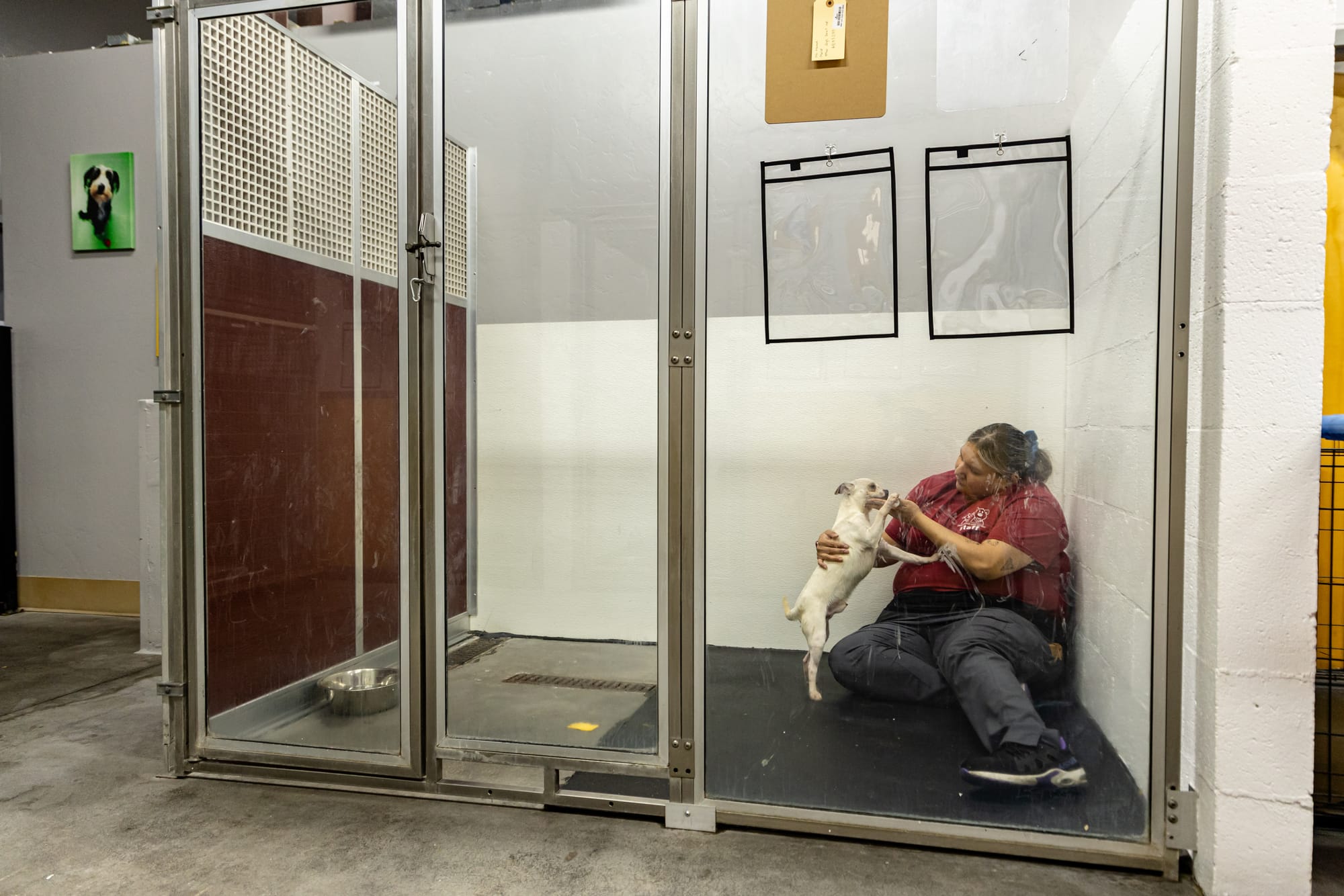
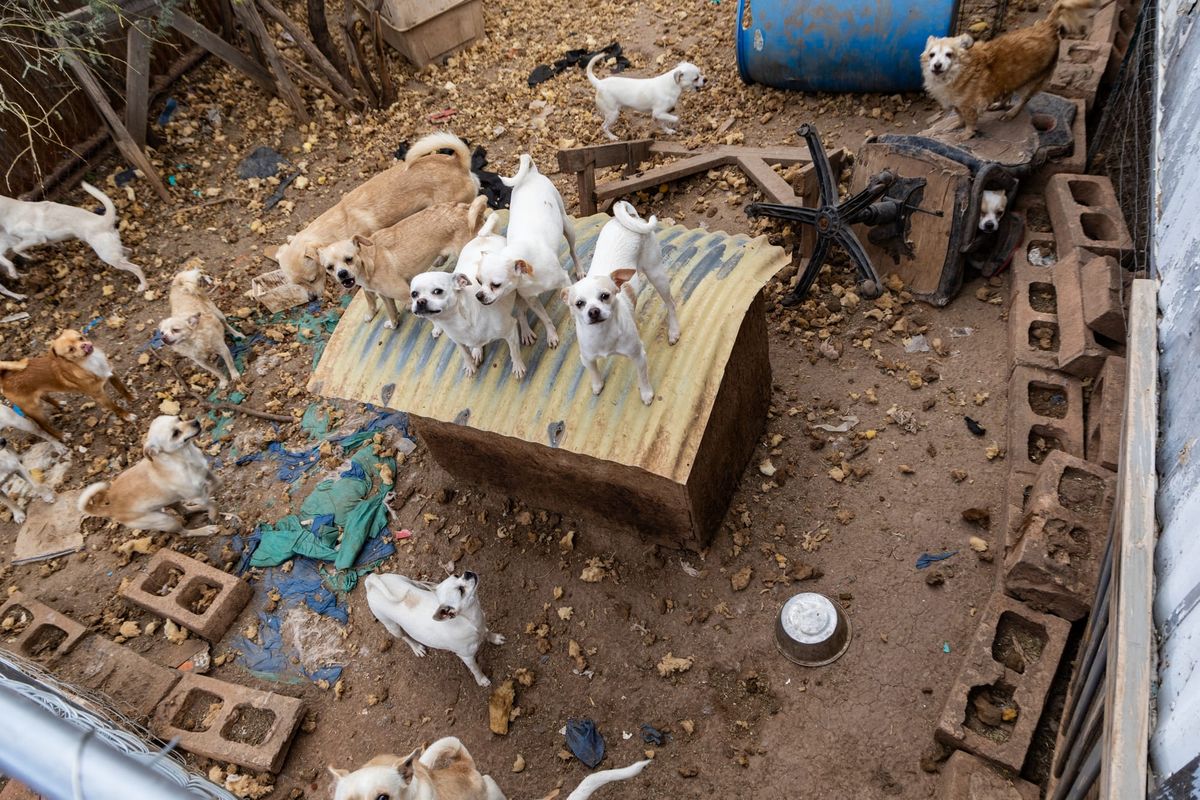
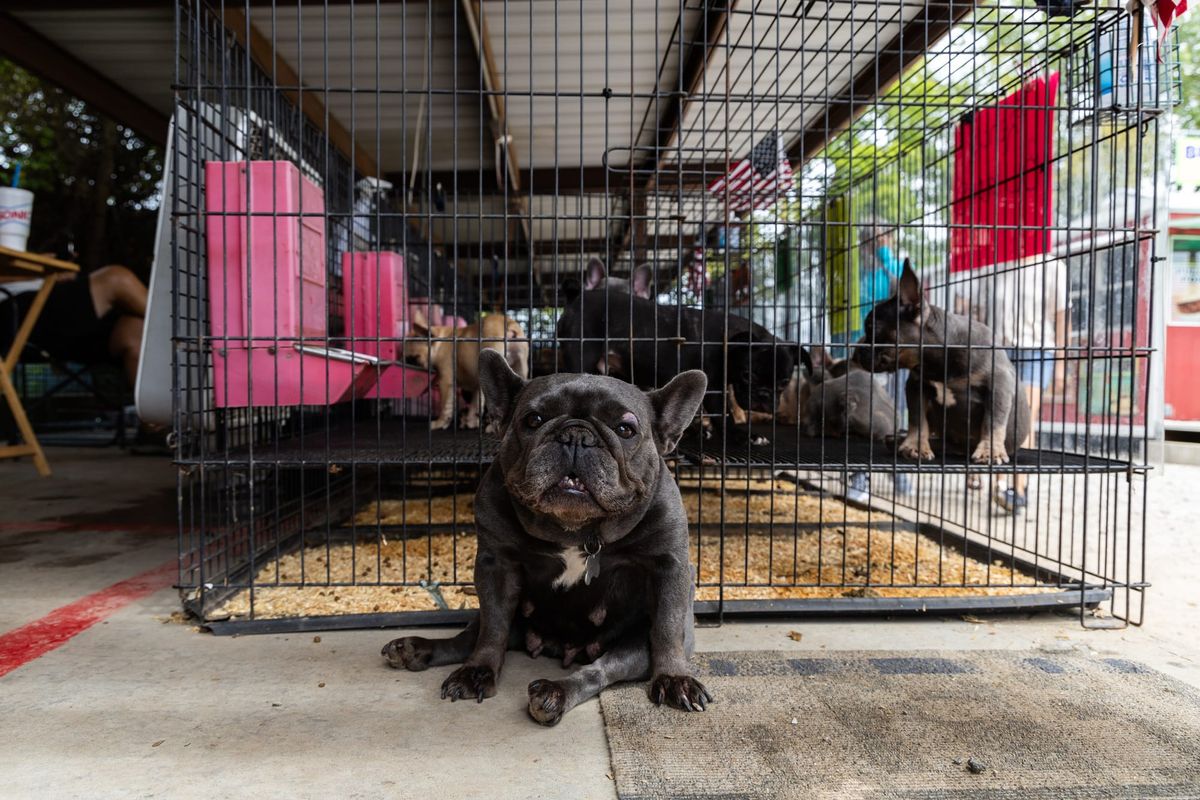
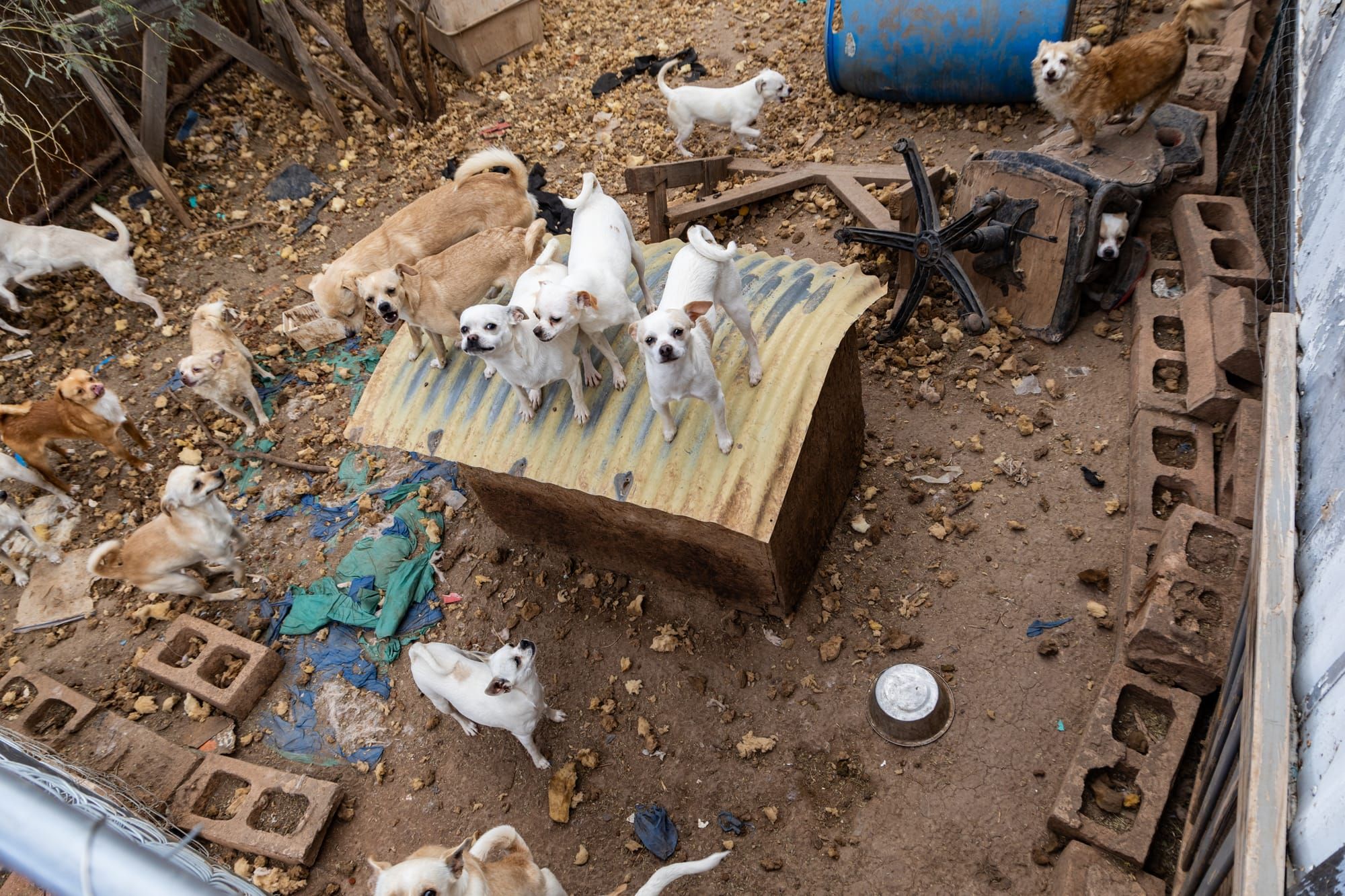
Since early January 2026, I've been embedded with Pima County's Animal Protection Services (APS), documenting their work investigating animal hoarding cases now possible following the creation of the ARK - Animal Restoration Kennels, a temporary holding facility that provides space, resources and stabilization for animals removed from these situations.
Field footage from ongoing documentation - a little of who I've been meeting and what I've been seeing.
Animal hoarding exists at a complex intersection of animal welfare, mental health, poverty and trauma. Public narratives often center the moments animals are removed, but as I continue to follow these investigations, it's becoming clear that the work extends far beyond these moments. Much of it unfolds in early mornings, at gates or in yards, in conversations, during briefings and repeat property visits - all part of a long effort to help both animals and people.
There is nothing simple or easy about these cases. Investigations often unfold over months or years and recidivism is common, with reported rates nearing 100%. In some homes, mental illness is central; in others, hoarding emerges from financial hardship and lack of access to affordable spay and neuter services. This complexity sits at the heart of this story, and why I want to follow it.
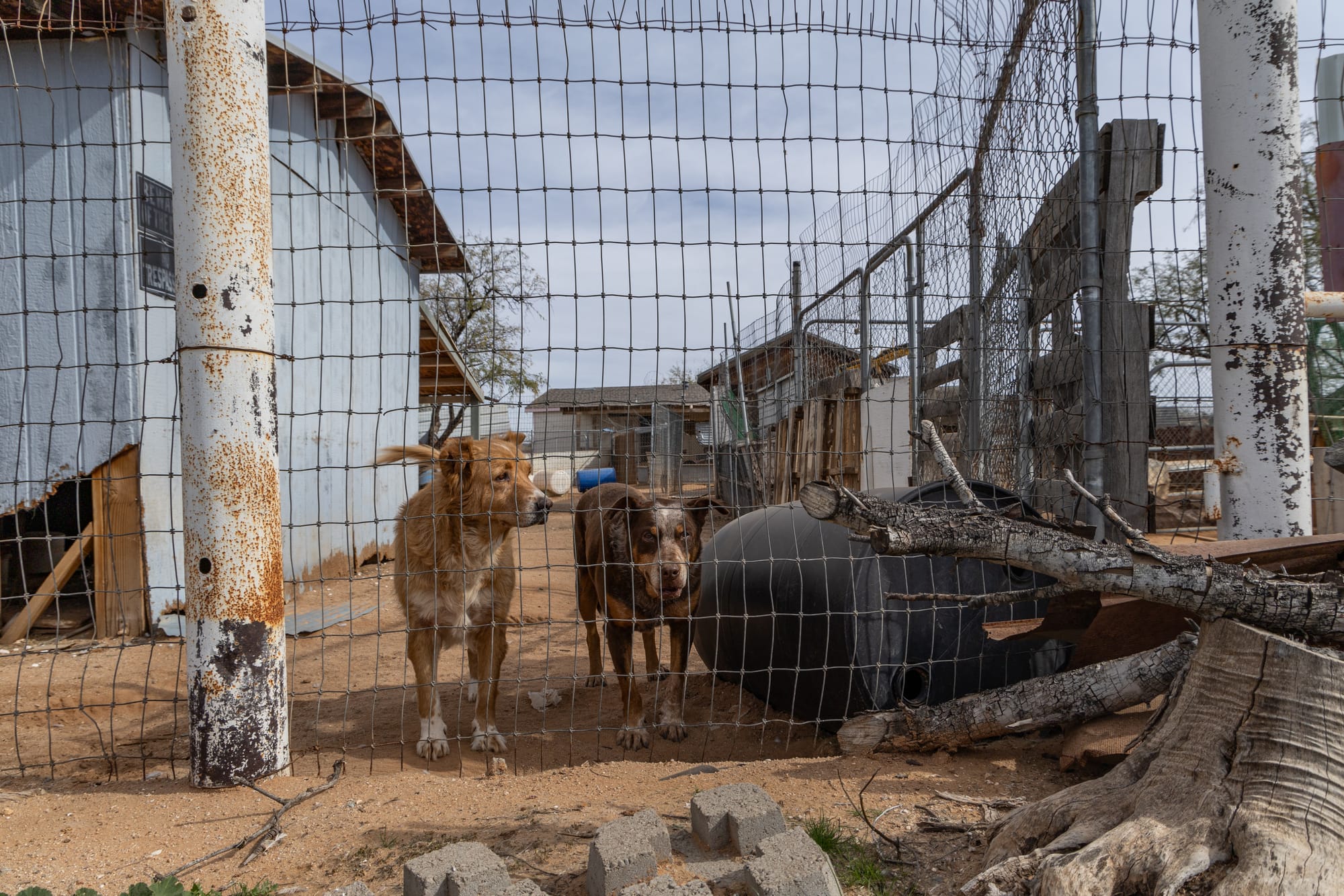
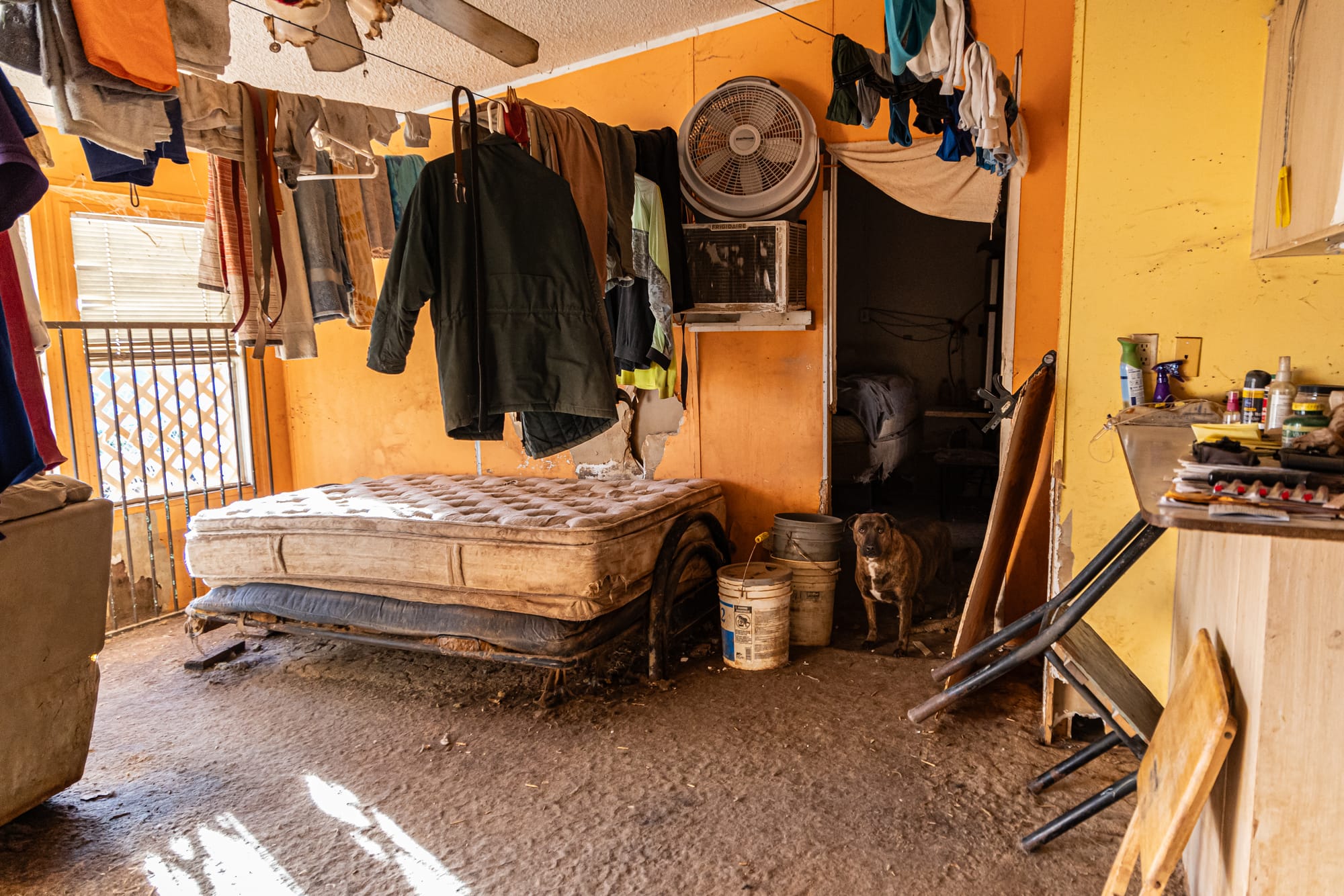
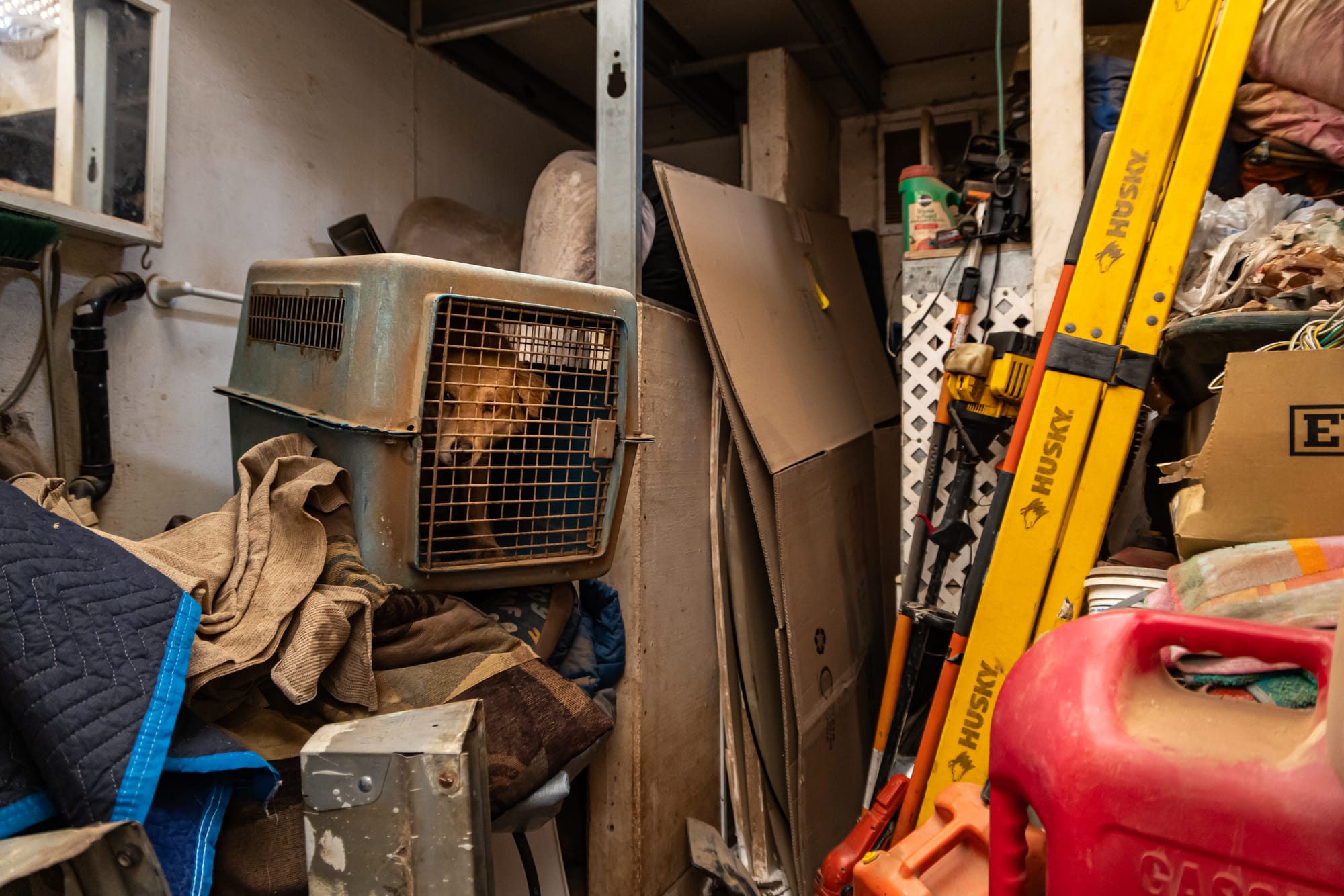
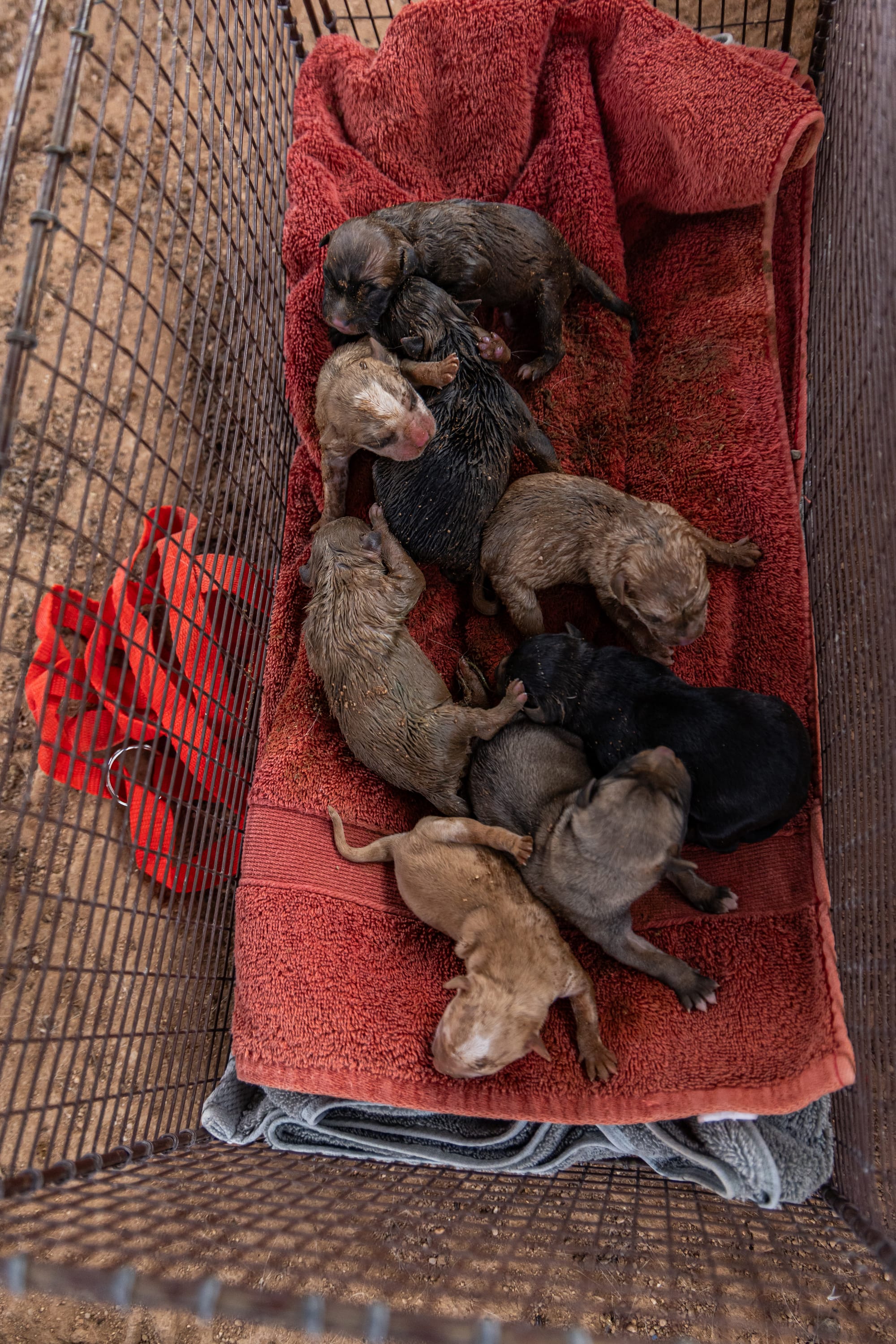
Clockwise from top left: Two dogs stand and observe in a fenced enclosure, a dog stands in a dilapidated house (she is later named Laverne), just-born neonate puppies huddle in a carrier, a dog waits in an airline crate inside a storage shed. All images from an undisclosed hoarding property during a live impound. Pima County, Arizona. January 21, 2026.
Over the ARK’s one-year lease, filmed and photographed in collaboration with Animal Protection Services (APS) and Pima Animal Care Center (PACC), The ARK will continue to follow cases as they move through the system, documenting the investigations the facility now makes possible, and the individuals - human and animal - whose lives are shaped by them.
I’m grateful to be allowed into this work and to witness what rarely reaches public view - the sustained care and effort behind investigations, often seen only in their hardest moments.
How to Support
If you’d like to support this independent documentary, you can subscribe (free or paid), share the work, follow along on Instagram or support the film directly with a one time donation by clicking the button below.